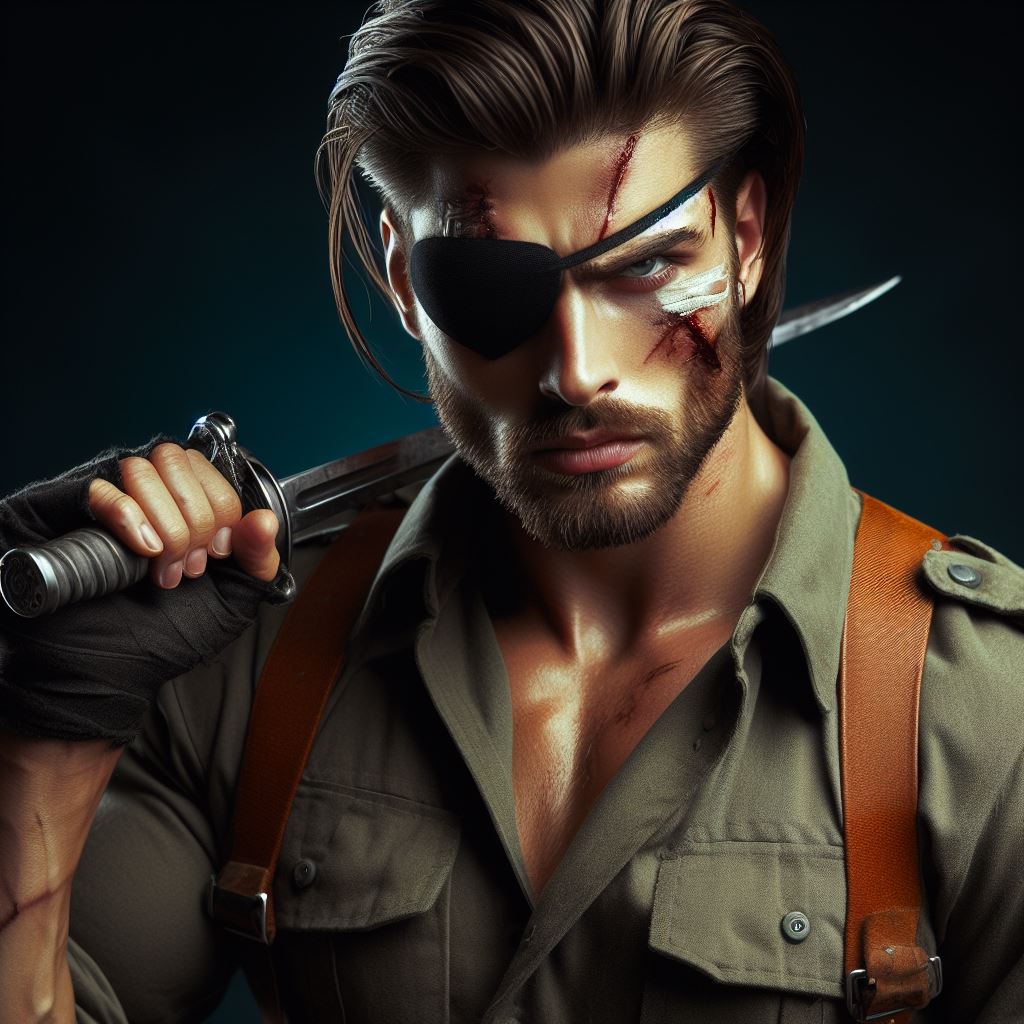
One of the problems with writing a story about a future second American Civil War is explaining why the Union side doesn’t just wipe out the urban rebels with technology and firepower.
One element is that this civil war is between urban and rural faction–not red vs blue states–so like the Spanish Civil War, but this conflict requires urban warfare that undermines Union tech advantages similar to Stalingrad and Mogadishu.
More importantly, the Union politicians come to their war policy by coalition building with a shared goal undermined by conflicting reasons.
There is a Just War Theory faction that seeks to minimize the aggressive waging of war with its impact on the civilian rebels.
Another faction fears that putting more lethal weapons into the war will potentially give the rebels access to such weapons themselves.
Given the partisan character of the political division, another faction doubts the loyalty of some regular officers and soldiers, so they seek to keep them & their weapons away from the domestic conflict by relying on National Guard forces with less capacity.
Meanwhile another faction prioritizes using the professional US military to maintain the balance of power internationally over protecting American lives by ending the civil war sooner. As our military is sized to fight war in one theater while holding in another, it lacks the capacity to wage a civil war at the same time as maintaining deterrence, unless we go green glass.
This war policy is how a Business Management professor, at fictional James Wilson College of Pennsylvania, in his 30’s enters the war as a captain but rises to brevet brigadier general within a few years of bloody civil war, transforming Gideon Sheridan into The Butcher.


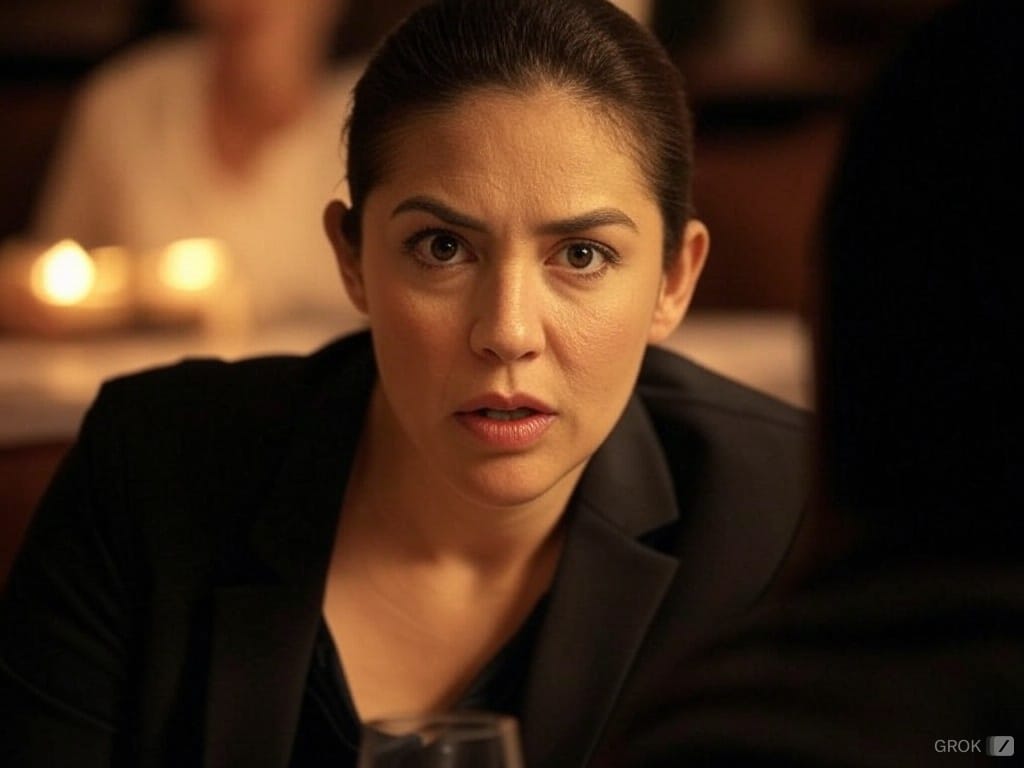
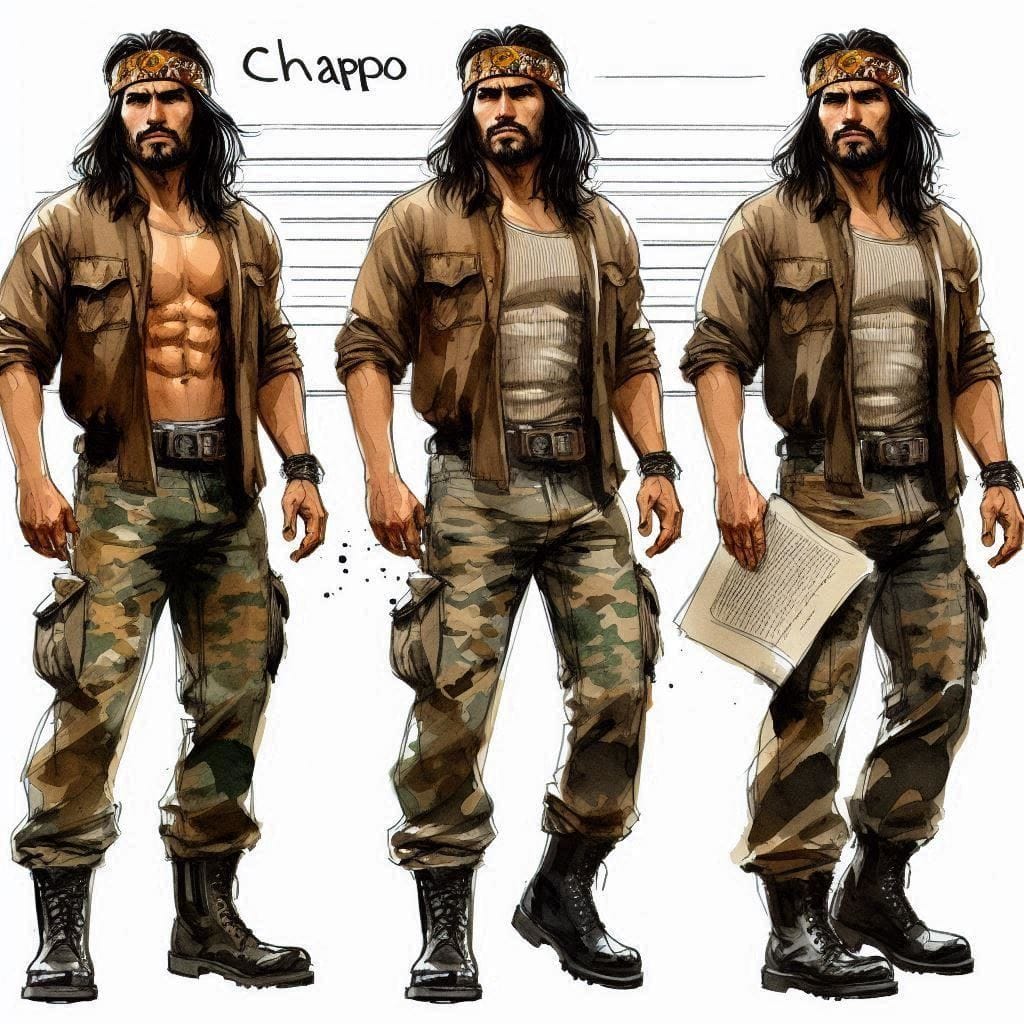



 Jaycee Woods
Leave a comment