I left the following comment on a Doomcock vid mocking another failure in woke movies and TV:
“Fictional stories require trust as one invites adults to play pretend and suspend disbelief. Contemporary fictional brands have broken trust from their audience by lacking integrity. Instead of inviting audiences into sharing a make-believe story world, creators insist on trying to convince audiences that reality is make-believe.”
I am trying to keep this in mind as I am in edit mode. I need to focus on being honest with the reader as part of the storytelling to build trust. This requires me to be open and vulnerable as it veers off into the heterodoxies that make my stories different.
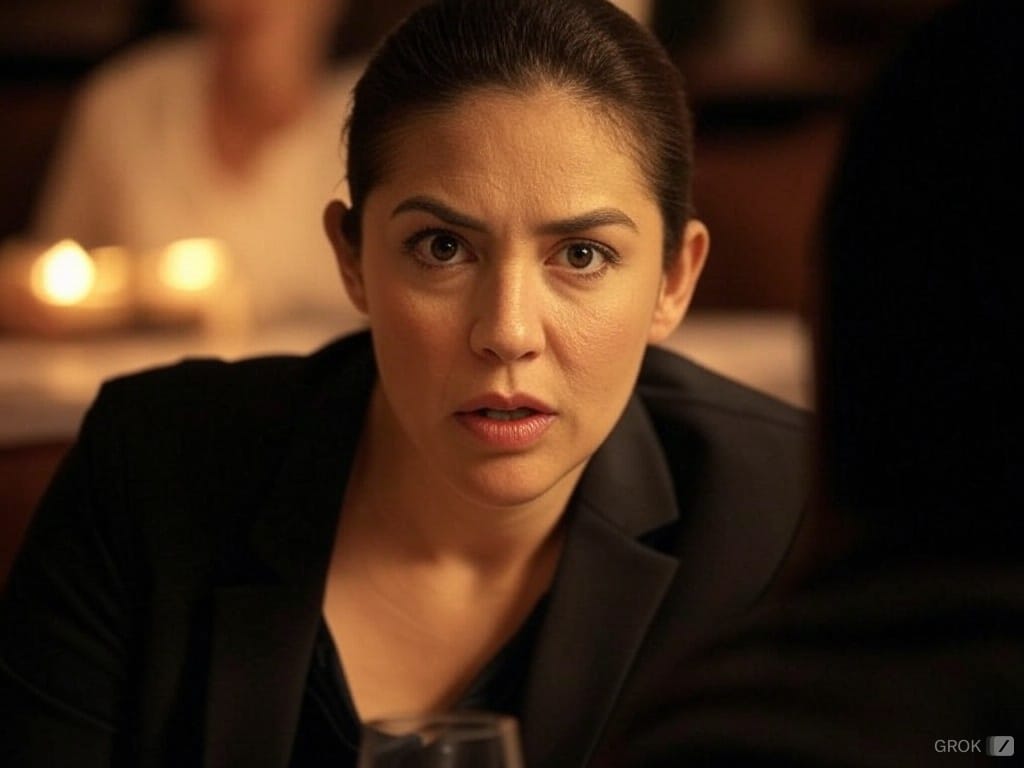
In a cheating wife story, the husband confronts her with her infidelity. She promises to do anything to prove herself to him. He puts a gun in her hand and tells her that she needs to end her lover. The scenario is on the theme that words are often lies whereas actions are true. The wife ends up turning the gun on her husband and pulling the trigger at which point she learns the gun isn’t loaded. Based on actions, no more lies or pretenses are available to her as they both must confront the brutal truth. Doing justice to the emotions and characters in that scene during editing requires me to be open to channeling that raw darkness.
Why be willing to write such a negative story? As a short story, it is practice. Consider the death of Cheryl Taggart in Atlas Shrugged or the beating of Stretch Wynand in The Fountainhead as dark scenes necessary within a broader narrative.
Having drafted 340+ short stories I created several cheating wife stories with different dynamics and outcomes; the first Hiro’s Haunting story is a cheating wife story in which the ghost haunting the wife’s dreams helps her to change and win back her husband’s love. Yes I am an equal opportunity offender, so I have a cheating husband story also, but that wife ends up in a mental institution.
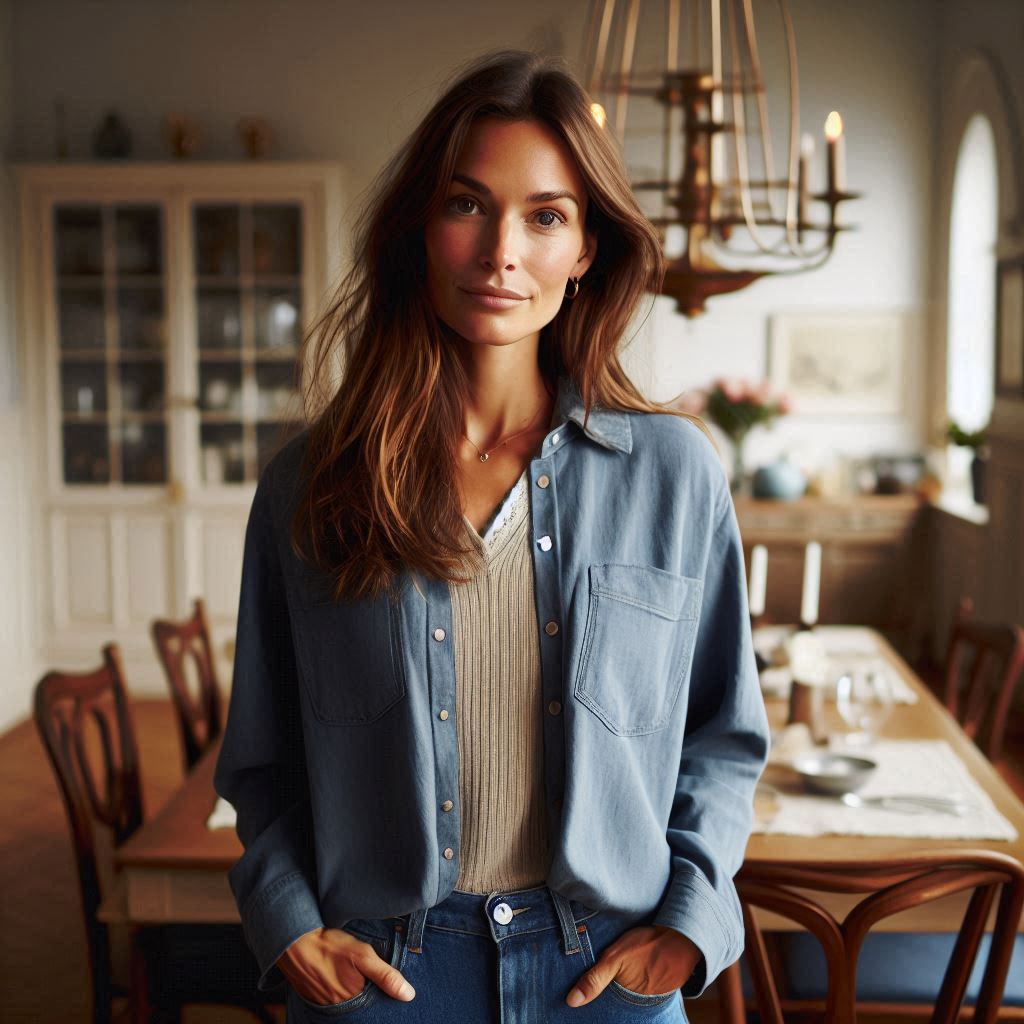
Hello,
I’m Jaycee
Currently, I am a drafter and plodding editor of my own fiction stories. Looking towards the future when edited stories turn into published ones.
Here I am starting to bare my soul to give you a preview of what I have been working on.
See “Harvest of Blood” in this site’s menu bar for a preview of a draft chapter from Boudica and The Butcher, a novel set in a future Second American Civil War.
Let’s connect
Join the fun!
Stay updated with our posts and announcements by joining our newsletter.


 Jaycee Woods
Leave a comment