
I got an idea for a novel premise. In a modern adaptation of The Odyssey, instead of exploring Hellenic hospitality duty, it examines the alternative of what would have happened to Telemachus without Mentor. Raised by a single mom, without a masculine influence, Telemachus becomes a neet who failed to launch while living in his mom’s basement.
A ‘NEET’ is an acronym from UK that stands for ‘Not in Education, Employment, or Training.’ It refers to individuals who are currently not engaged in formal education, not employed, and not participating in any training programs.
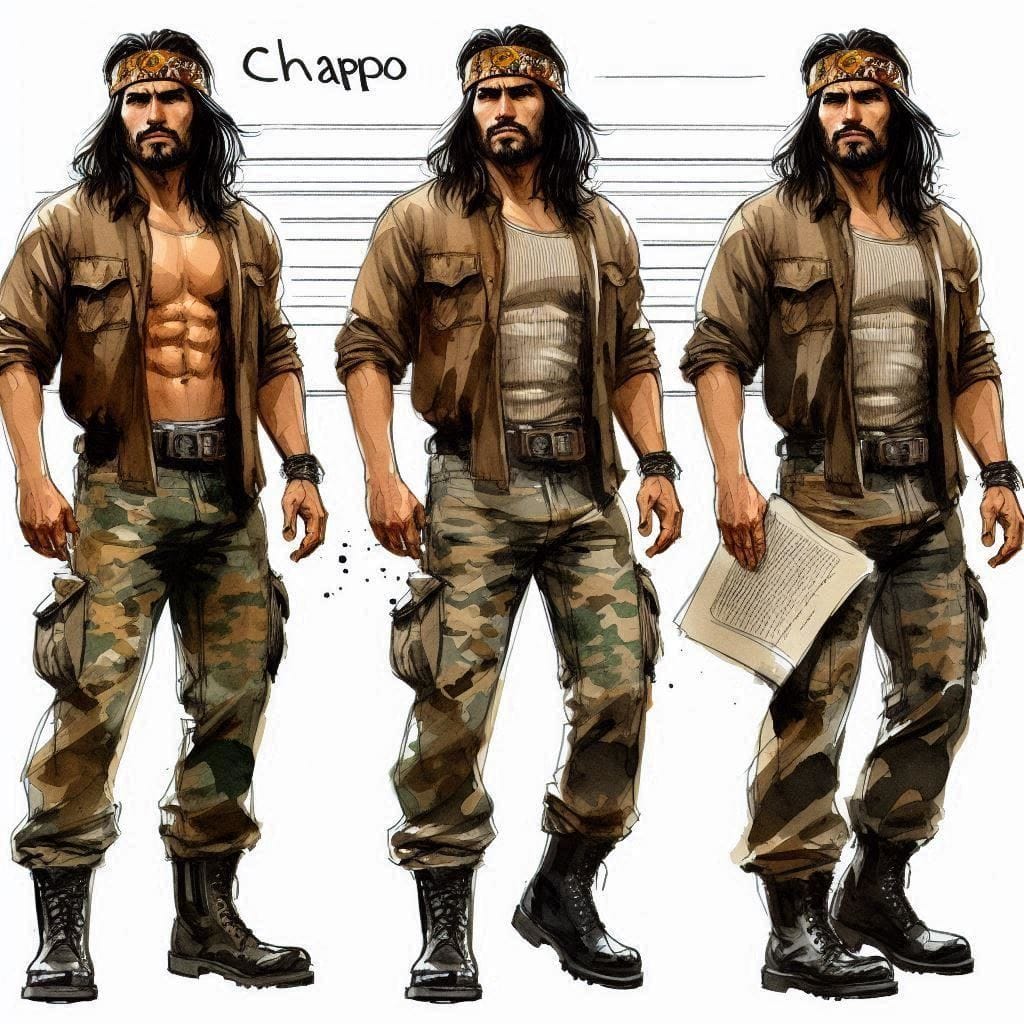
Alexios (aka Odysseus) comes home from a 15-year stretch in Joliet on felony murder. During a failed robbery of the Troy Armored Car Co, one of his accomplices was killed by a guard. While incarcerated, his wife Penelope divorced him. In prison, he focused on vocational training to help pass the years. As Alexios became a trustee, the warden used him as the prison handyman to address a backlog of work orders ignored by the state bureaucracy.
Paroled to a halfway house, Alexios reached out to his father Basil, short for Basileios, (aka Laertes) to find out the fate of Alexios’ son, Marios (aka Telemachus), as Penelope had stopped communicating with Alexios. Basil explained that he had tried to stay in Marios’ life. Before Alexios’ mother had gotten sick, Basil was able to give Penelope money, so she was happy to let him see Marios. However, the medical bills from Alexios’ mother being ill made money short, so Penelope cut off Basil from his grandson to punish him for not giving her more money. From a distance, Basil kept tabs on Marios, so he was able to give Alexios a current address.
Penelope in the modern adaptation is the antithesis of the one in The Odyssey. She divorced Alexios so she could collect welfare from the state. Instead of resisting the suitors, she had two illegitimate children by different suitors. Welfare reform forced her to either work or get an education, so she went to college and eventually became a public school teacher.
Marios, and Penelope’s other children, are examples of Warren Farrell’s _The Boys Crisis_, which examined the higher probability of diminished life outcomes for those who grew up without active dad involvement. Penelope, who calls Marios by the diminutive Makis, showered her son with all of the disappointment that she had with the men who went through her life. This crippled his self-esteem. At the beginning of the modern adaptation, Marios is the stereotype of the 18-year-old playing video games and smoking mother earth in his mom’s basement while having no plans or initiative for a job, school, or life.
The story will be principally about Alexios becoming an involved father to save Marios by teaching him to become a man and helping Marios find his purpose. Meanwhile, Alexios will have conflicts with the resentful Penelope who resists Alexios’ efforts and presence. At the same time, Alexios must rebuild his relationship with his disappointed father Basil and establish a life for himself that will get him out of the halfway house plus on good terms with his parole officer (aka Athena).





 Jaycee Woods
Leave a comment