
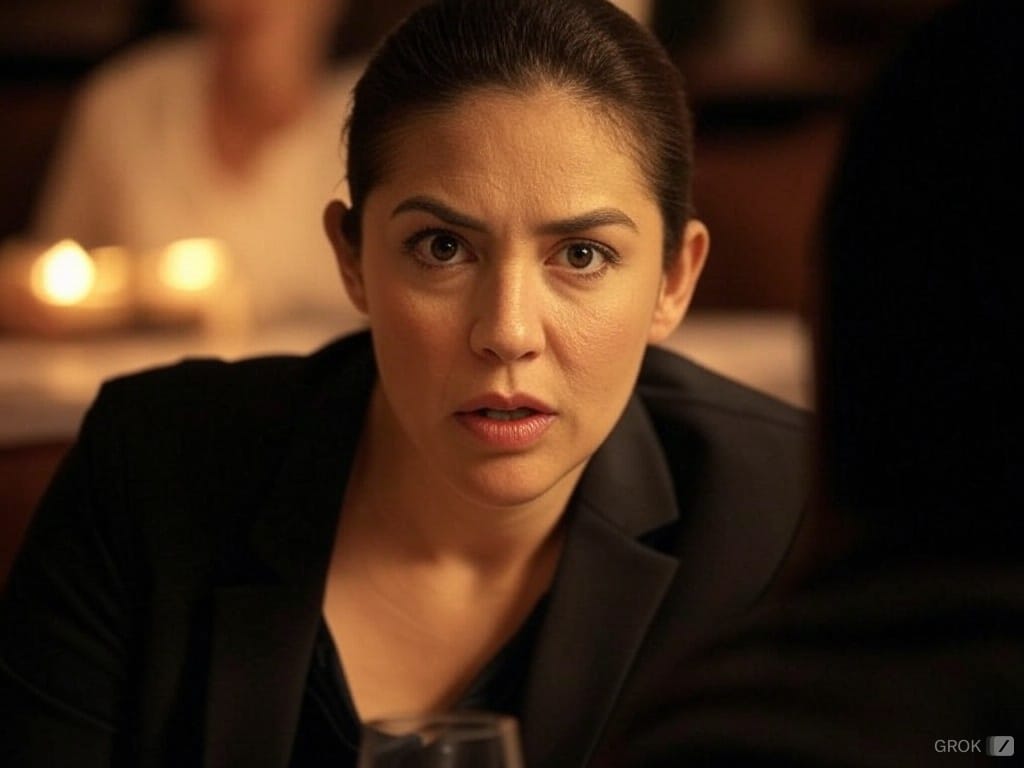
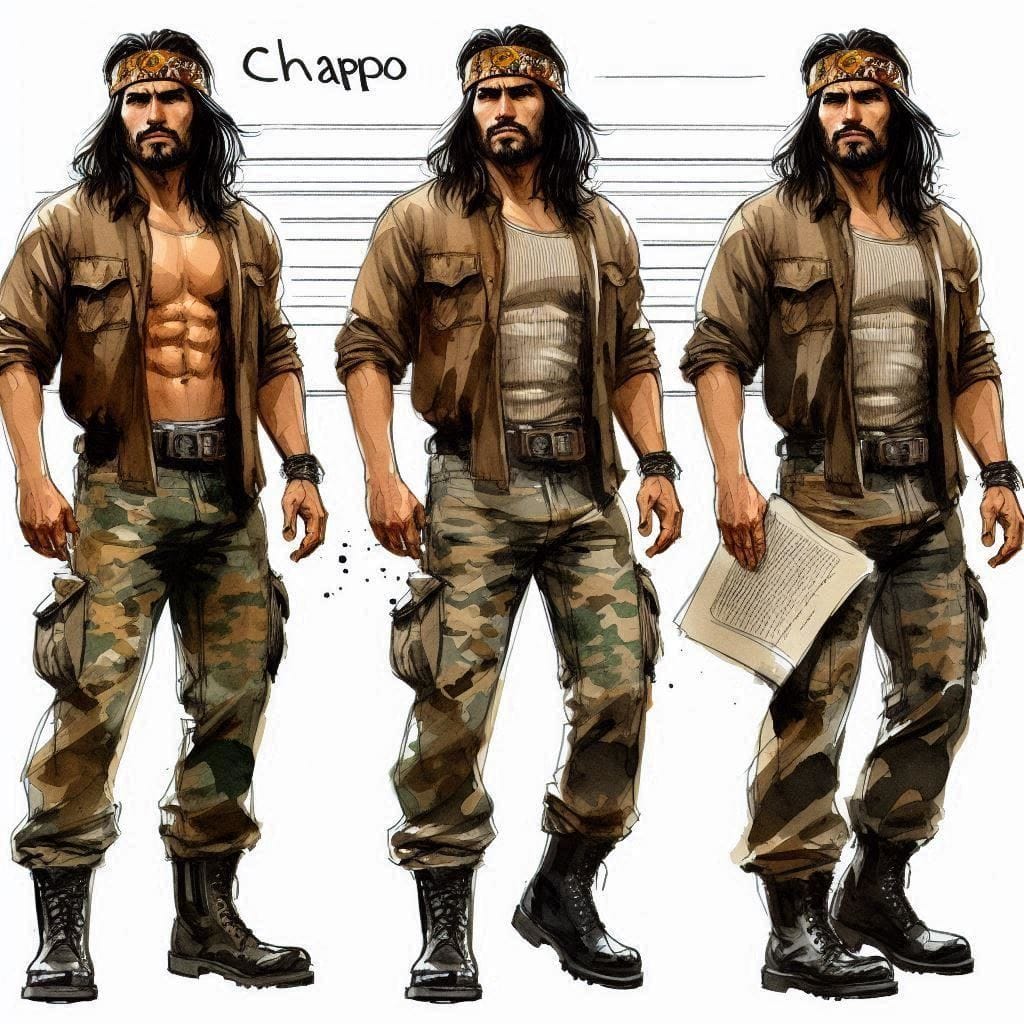
I formatted Chapter 4 “The Monster” from my Boudica and The Butcher draft. I like the rollercoaster of judgement the reader will likely have towards The Butcher as a character.
After Ch 1, I expect a mixed opinion of 80% hate towards him as the likely villain of the story.
After Ch 2, hating him as vile may grow to 99%.
Yet in Ch 3, he starts to make more sense with hate dropping to 80% due to understanding him better.
However, after Ch 4, the reader’s mixture between sympathy for and hate of him should split around 50/50.
Through these chapters, The Butcher is constant only the perspectives on him change as he interacts with different characters.
The villain of the story is not The Butcher but the war. The reader is likely to judge him negatively based upon the impact the war has had upon him and the cruel choices he makes to bring the war to an end faster. The reader’s sympathy for him is expected to grow as he is understood in the broader context of the war. While in the end he is the man who ends to war, Boudica is the heroine of the story as she saves him from the war.
I like how Ch 1 “Harvest of Blood” and Ch 4 “The Monster” parallel each other, but with the injured main characters reversed. The differences between the scenarios exhibiting characterization of each.
The raw draft word count for chapter 4 was the shortest yet. In planning for editing, I asked Copilot some questions to expand one sentence from the draft. Copying that research into the draft added more than 3800 words of text to add immersive detail to what had been an emotional scene. Below are the questions I asked Copilot:
Q: In the field, what symptoms would a medic assess for a concussion in a semi-conscious patient?
Q: Describe the visual symptoms Tua displayed in his concussions. Are such always immediate or could they be delayed by adrenaline?
Q: In battle conditions, could such symptoms be delayed for an extended period until the patient experienced an adrenaline crash?
Q: If an unconscious patient has a head injury, are there any detectable symptoms of a concussion? Must a medic wait for consciousness to assess?
Q: What about pupil responsiveness in an unconscious patient with a concussion?
Q: Are there any treatments besides rest and monitoring for a concussed patient?
Q: What ongoing symptoms might the concussed patient have in the days or weeks afterwards?
Q: If the concussed patient fails to rest but seeks to maintain a normal schedule but with limited physical activity, are there any additional symptoms or does that simply slow recovery?
Q: During the days and weeks after a concussion, what would a doctor’s follow up routine and examination be?
Q: For adding descriptive detail to a fictional story about a soldier concussed in battle, are there any other issues I should consider?
Q: Added to the concussion, the patient’s left eye is swollen shut. Besides potential blindness long term in that eye, are there other symptoms or medical issues that I should consider?
Q: The patient had been struck in the face and temple by a human femur that had been used as a club. The femur bone broke on impact with his head. Beyond the concussion and swollen shut eye, are there other medical issues that I should consider for elimination?
Q: How might a medic in the field assess potential for an epidural hematoma?
Q: During triage, how might a medic treat for a subdural hematoma? What level of priority would triage assign such a patient? What negative symptoms might eliminate an epidural hematoma as a diagnosis?
Q: What is a subdural hematoma in contrast to an epidural hematoma?
Q: What treatment would a medic provide for an epidural hematoma?
Q: What symptoms would eliminate either an epidural or subdural hematoma as a diagnosis?
Q: What instructions would a doctor give to a family member for monitoring a concussed patient?
Q: If the concussed patient is a military commander whose tent is near the infirmary, would admitting the patient for monitoring be essential or could issues of morale (hiding the severity of the patient’s condition) take precedent?
Q: So, the medic wanting to admit the patient and the concussed commander refusing could add drama to the scene?




 Jaycee Woods
Leave a comment