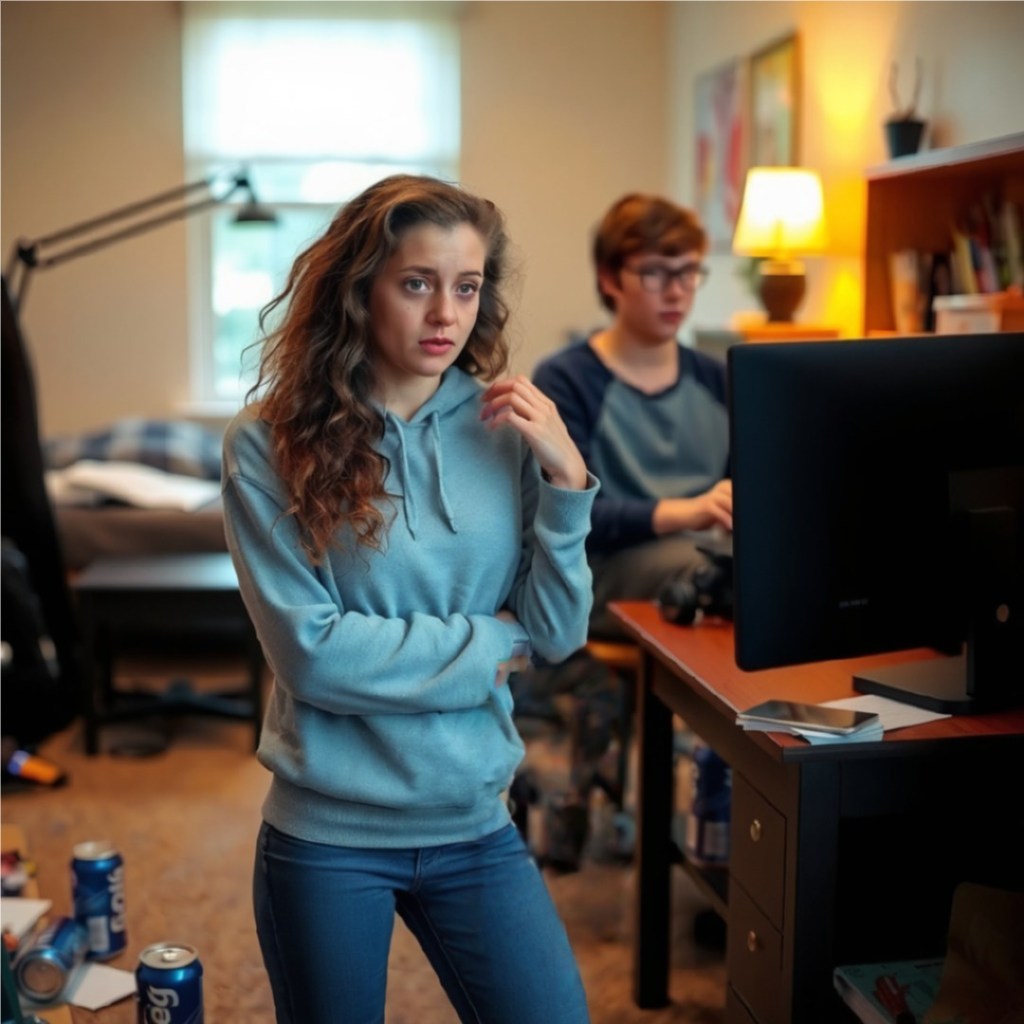
I finished formatting my “His Weird Roommate” draft short story and renamed it “Clued In.” It is part of my roommate genre, which isn’t literally about roommates but the novel challenges of contemporary co-ed situations as women come to exist in historically male-only spaces. These stories are not of the rah-rah-you-go-girl variety but instead looking at different sex characters attempting to navigate the conflicts within historically unprecedented proximity.
This story attempted to compassionately consider a common female need for attention, not based upon masculine norms related to doing and achieving but for simply being. While #NotAll, it may only be most women, most of the time; not biological determinism, but a snapshot of current year naturalism. While psychology and women often refer to this positively as visibility, amongst themselves men typically vulgarly characterize it as unearned attention seeking.
Cue the reflexive, “but some dusty men seek unearned attention to!” Yawn, obviously. Depeche Mode already wrote and sang “Somebody” on that angle, and I can’t beat that achievement, so I chose to write a story that has not been written before.
One key transition is the male lead learning to accept her need as hers even if it does not match his own thinking. Generally, this is related to emotional intimacy and protection in response to a particular woman’s need to feel secure in her position through external validation to overcome her own neuroticism. While not important in a material sense, he recognizes that it is important to her own wellbeing just as she needs oxygen, so he acts accordingly.
Another key transition is her being able to recognize his vulnerability from treating her so in current year. Consider the irrational expectation of mind-reading that a man should sense the difference between welcomed and unwelcomed attention dependent upon her ephemeral mood of the moment. Is it sweet or did he give her the ick? Further, such compassion subjects a man to potential surrogate relational violence based only upon her perception and emotional response or potentially a false accusation. Metaphorically, the man is told that he is going to be locked in the shed with Old Yeller but not know whether the dog is rabid.
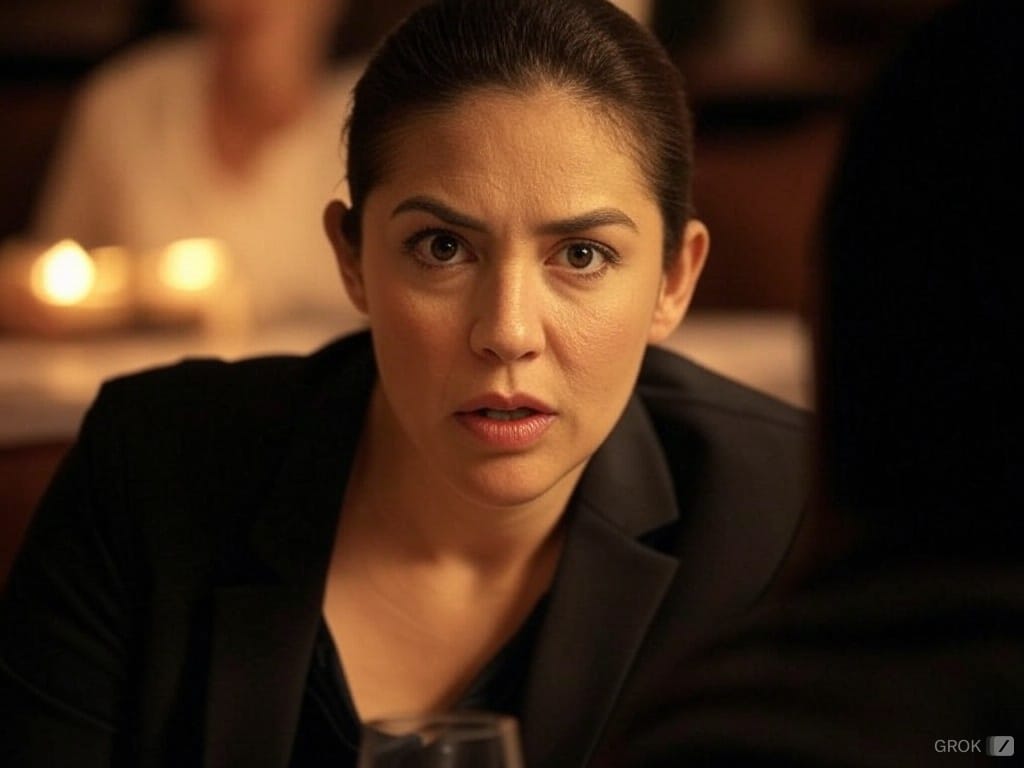
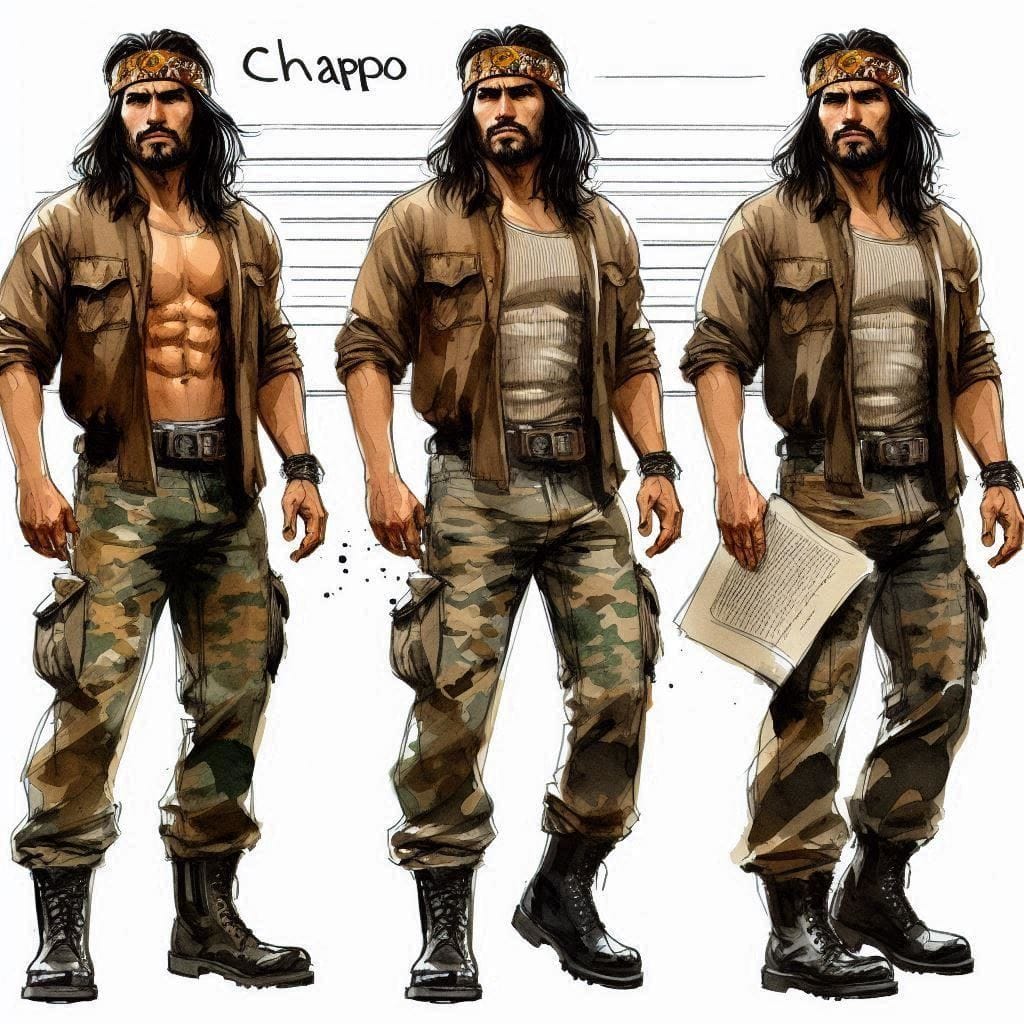
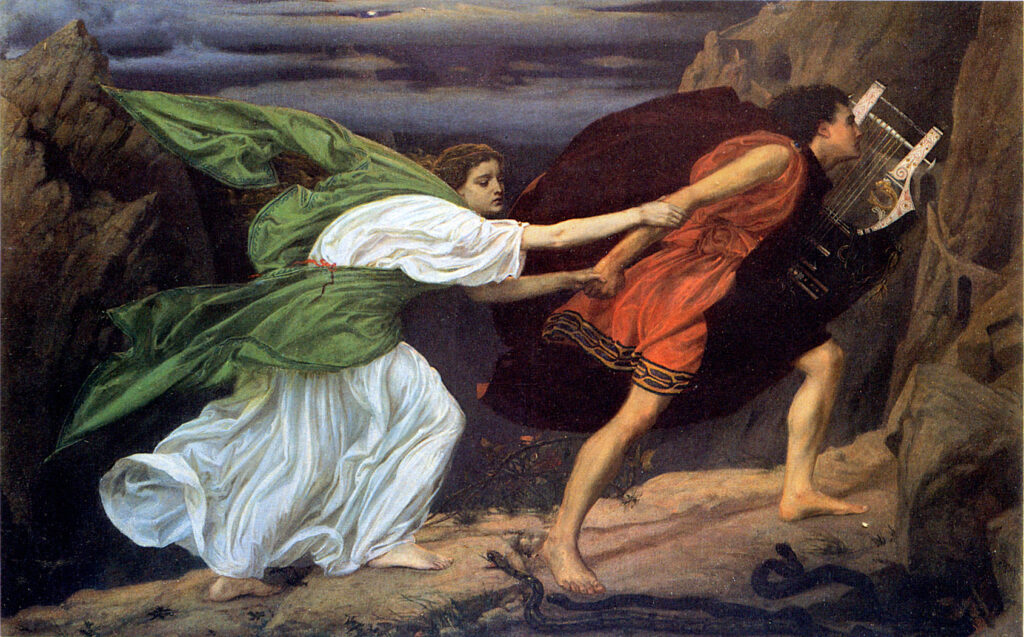
Unintendedly, I have revisited this idea in several stories. In Boudica and The Butcher, I do so in the opposite. Gideon (aka The Butcher) overtly denies Boudica’s pleas for his attention. Early, he explicitly says that he has more important things to do than to pay attention to her needs, such as feeding her. As she begins to succeed in gaining his attention, the war interrupts to remind her of her subordinate priority. The less attention Gideon gives her the more desperate Boudica becomes for it. Even Olga (Boudica’s mentor) scolds Boudica for acting as if the whole war should take a break because Boudica needed Gideon’s attention. As a device, it is intended to turn the reader against Gideon; while the reader might understand the reasonableness of his choice, they resent his cruel indifference to Boudica’s feelings…in the middle of a war with people dying. In the end, Boudica does earn Gideon’s attention as she has the courage to face who he is without pretense.




 Jaycee Woods
Leave a comment